5G Networks Reshaping Performance Benchmarks for Real-Time Gaming Applications
Written by Katja Albrecht · Jun 1, 2026
5G Networks Reshaping Performance Benchmarks for Real-Time Gaming Applications
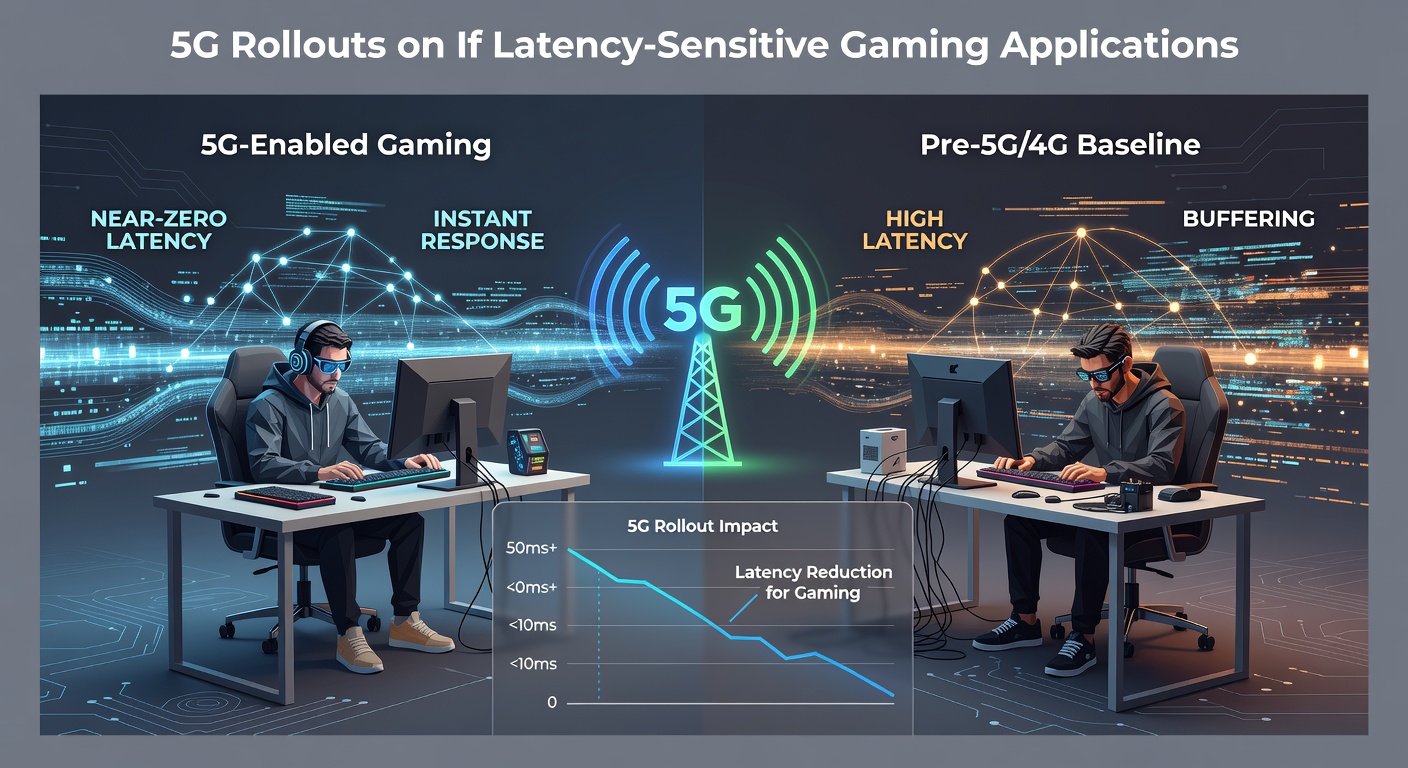
Global telecommunications providers have accelerated 5G infrastructure deployment since the early 2020s, and this expansion directly influences how latency-sensitive gaming applications operate across competitive and cloud-based platforms. Network operators report reduced round-trip times in multiple test markets, which allows game engines to synchronize player actions with server responses at speeds previously unattainable on 4G systems. Data collected from commercial rollouts shows median latency dropping below 20 milliseconds in covered zones, a threshold that matters for titles relying on precise input timing such as first-person shooters and fighting games.
Core Technical Factors Driving Latency Reduction
5G introduces several protocol-level changes that address packet delivery delays inherent in prior generations. Shorter transmission time intervals combined with enhanced mobile broadband slices enable devices to maintain consistent uplink and downlink performance even during peak usage periods. Researchers at institutions tracking spectrum allocation note that millimeter-wave bands, when paired with sub-6 GHz layers, create hybrid pathways that minimize jitter for multiplayer sessions. Equipment vendors have documented cases where edge computing nodes placed near cell sites further compress the distance data travels before reaching game servers, producing measurable improvements in frame delivery consistency.
Observers tracking deployment timelines point out that urban centers reached stable 5G coverage first, yet suburban and rural expansions continue through 2025 and into 2026. By June 2026, projections from industry forecasts indicate that over 60 percent of global gaming populations will have access to standalone 5G cores capable of supporting ultra-reliable low-latency communications slices. These developments matter because cloud gaming services transmit compressed video streams that demand steady bandwidth and minimal buffering to preserve responsiveness.
Measured Outcomes in Live Gaming Environments
Field trials conducted across North American and European markets reveal quantifiable shifts in player experience metrics. One study coordinated through university research groups found average input-to-action delays decreased by 35 percent when participants switched from LTE to 5G connections on the same hardware. Tournament organizers have begun incorporating 5G testing protocols into event infrastructure, particularly for wireless setups where cable runs prove impractical. Statistics compiled by the Entertainment Software Association indicate rising adoption of mobile esports titles that leverage these network capabilities, with viewership numbers climbing in regions where 5G density exceeds 70 percent population coverage.
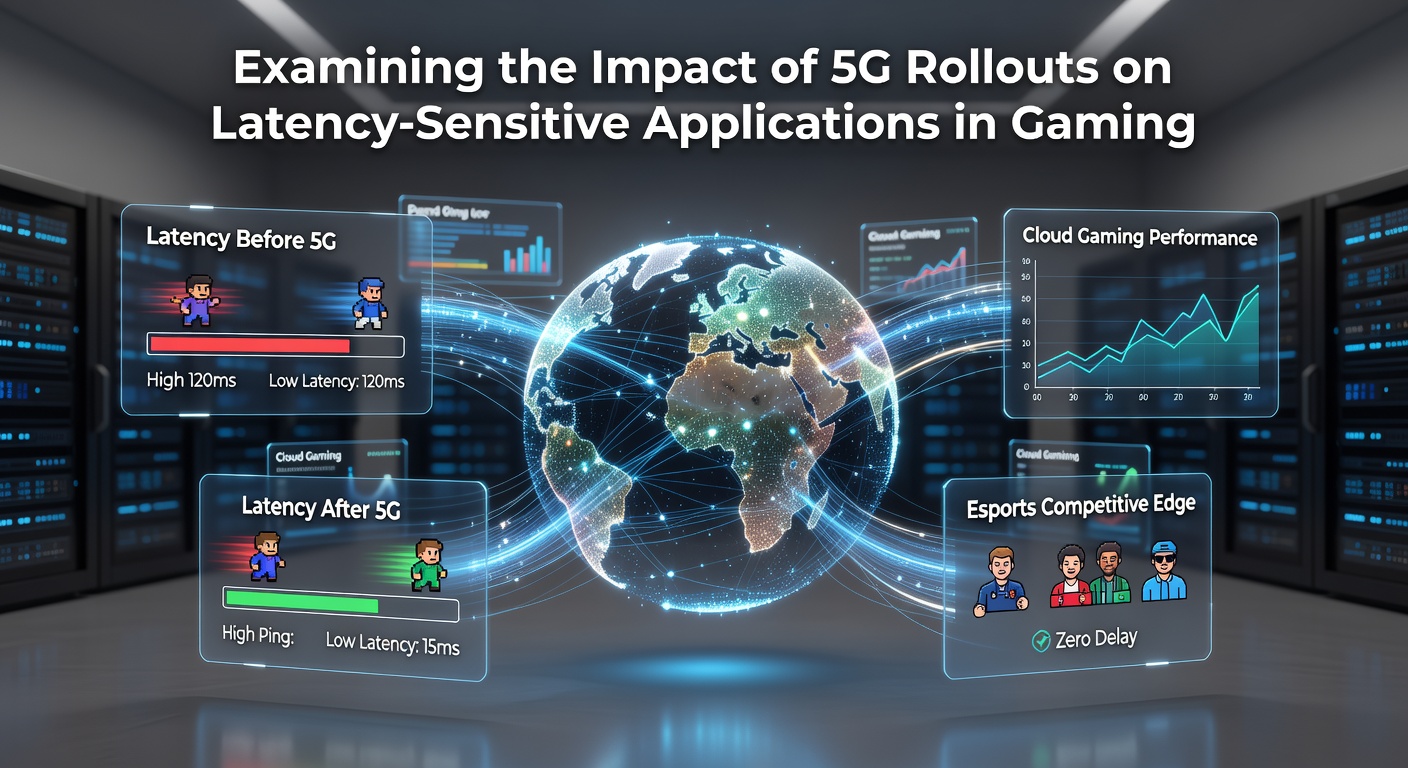
Cloud service providers have integrated 5G gateways into their distribution frameworks, allowing rendering workloads to shift closer to end users. This architecture reduces the volume of data traversing long-haul fiber links, which in turn lowers the cumulative delay accumulated across multiple network hops. Reports from Australian regulatory monitoring bodies highlight similar patterns in Oceania deployments, where isolated island communities gained viable access to remote gaming platforms once 5G small cells became operational.
Persistent Challenges and Mitigation Strategies
Despite documented gains, certain variables continue to affect consistency across different device classes and spectrum conditions. Handover events between cells can introduce brief spikes in latency, though network slicing techniques help isolate gaming traffic from general consumer loads. Hardware compatibility remains uneven, with older modem chipsets failing to exploit all available 5G features that newer releases incorporate. Industry working groups have responded by publishing interoperability guidelines that encourage game developers to implement adaptive bitrate algorithms capable of responding to real-time network feedback.
European telecommunications authorities have emphasized the importance of spectrum harmonization across member states to prevent fragmentation that could undermine cross-border matchmaking in online titles. Meanwhile, Canadian research initiatives have explored machine-learning models that predict congestion patterns and pre-allocate resources accordingly, demonstrating further potential reductions in tail latency during high-traffic events.
Outlook Through Mid-2026 and Beyond
Continued investment in open radio access networks promises additional flexibility for operators seeking to optimize gaming-specific traffic flows. Equipment refreshes scheduled through the first half of 2026 will incorporate improved beamforming capabilities that maintain signal strength for mobile users, an important factor for handheld and portable gaming systems. Data aggregation from multiple regions suggests that once standalone 5G cores reach majority coverage, developers will gain greater freedom to design experiences that assume sub-10 millisecond response windows as a baseline rather than an exception.
Conclusion
Deployment records through 2025 and projected milestones into June 2026 demonstrate that 5G rollouts have produced measurable effects on the operational parameters of latency-sensitive gaming applications. Network measurements, academic analyses, and commercial case studies collectively illustrate how reduced transmission intervals, edge placement, and spectrum layering combine to alter performance baselines. As coverage expands and supporting technologies mature, the gap between wired and wireless gaming experiences narrows in documented, quantifiable ways.