Examining Multimodal AI Embeddings in Consumer Electronics Devices
Written by Yara Washington · Aug 3, 2026
Examining Multimodal AI Embeddings in Consumer Electronics Devices
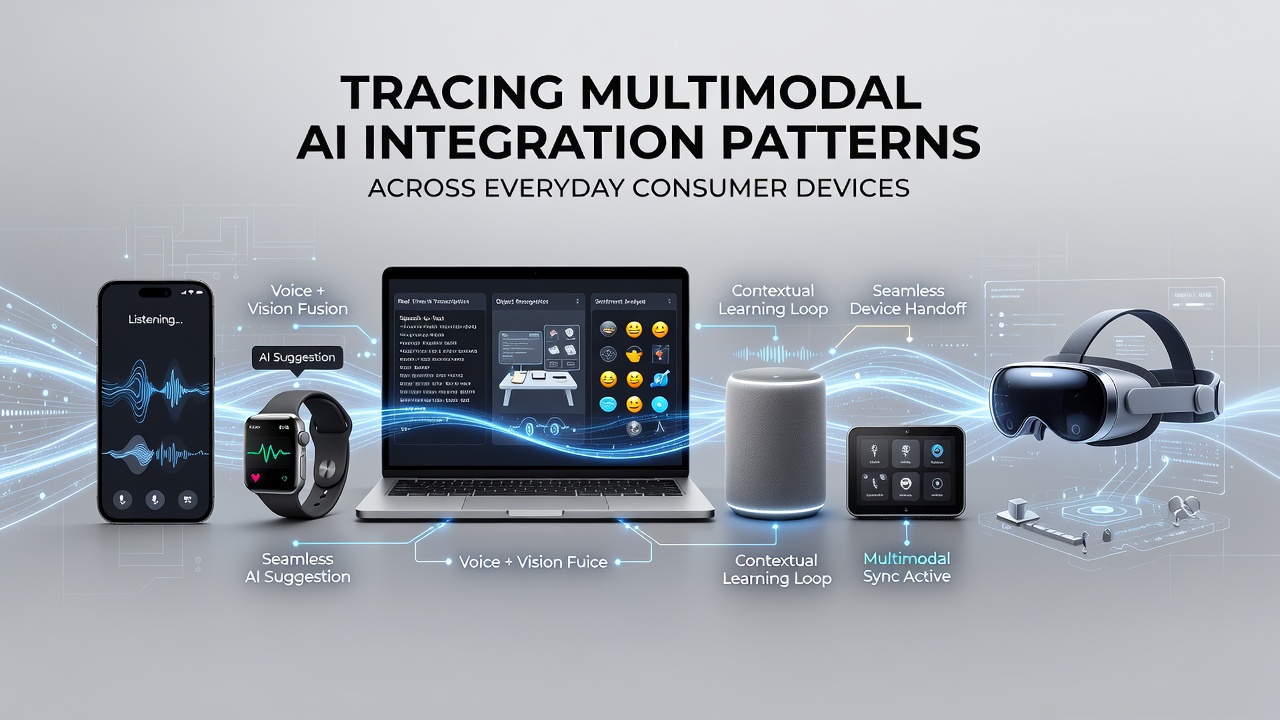
Multimodal AI systems combine text, image, audio and sensor inputs to process information across consumer devices, and manufacturers have accelerated these integrations since 2024. Data from industry reports shows that smartphones, smart speakers, wearables and connected televisions now handle simultaneous inputs such as voice commands paired with camera feeds or gesture controls alongside text queries.
Smartphone Integration Patterns
Leading device makers embed multimodal models directly into mobile chipsets, which allows real-time processing of camera images with spoken instructions without constant cloud uploads. Studies from academic institutions indicate that by mid-2025 over 60 percent of flagship smartphones supported on-device vision-language models that interpret photos and generate descriptions or answer questions about them. Users interact through natural language while pointing the camera at objects, and the systems cross-reference visual data with audio context like ambient sounds or user speech.
Integration extends to health tracking applications where cameras capture skin conditions and microphones record breathing patterns, then combine outputs into unified reports. Government statistics from Health Canada reveal increased adoption of such combined sensor features in wellness devices during 2025.
Smart Home and Speaker Ecosystems
Smart speakers have evolved beyond single-modality voice assistants, and recent firmware updates incorporate visual sensors in some models to detect gestures or room occupancy alongside spoken requests. Research published by the European Commission's Joint Research Centre documents how these systems fuse audio commands with visual data to adjust lighting or temperature based on user movement patterns. In August 2026 manufacturers plan broader rollouts of edge-computing multimodal chips that reduce latency for simultaneous inputs.
Connected refrigerators and ovens now feature cameras that identify food items and suggest recipes through voice responses, while the underlying AI correlates visual recognition with user preference histories stored locally. Observers note that these patterns create closed-loop interactions where one modality reinforces another without external servers.
Wearable and Portable Device Trends
Wearables such as smartwatches and earbuds integrate multimodal capabilities by combining heart rate sensor data with voice inputs and, in newer models, camera feeds from paired glasses. Figures from the Australian Department of Industry, Science and Resources show that multimodal health monitoring features appeared in 45 percent of premium wearables sold in 2025. The devices process motion data alongside spoken symptom descriptions to generate preliminary assessments that users can review or share.
Portable audio players have added visual analysis modes where users photograph album art or concert scenes and receive contextual information delivered through audio narration. These functions rely on compact neural processors that handle multiple data streams concurrently, and developers continue refining synchronization methods to maintain accuracy across inputs.

Television and Display Systems
Smart televisions incorporate multimodal interfaces that respond to voice commands while analyzing on-screen content through built-in cameras for viewer engagement metrics. Industry data compiled by the Consumer Technology Association indicates that shipments of televisions with combined voice and gesture recognition reached 28 million units globally in 2025. The systems detect facial expressions alongside spoken feedback to adjust content recommendations in real time.
Remote controls with embedded microphones and touch surfaces allow users to point at objects on screen and issue commands, and the AI correlates these inputs to execute actions such as pausing playback or searching related information. Patterns emerge where manufacturers standardize application programming interfaces to enable consistent multimodal experiences across brands.
Data Processing and Privacy Considerations
Device makers increasingly shift multimodal computation to on-device hardware to limit data transmission, and regulatory frameworks in multiple regions require transparent handling of combined sensor streams. Reports from the National Institute of Standards and Technology outline testing protocols for verifying that vision and audio models maintain separation when processing personal information. As of August 2026 several jurisdictions have updated guidelines that address how devices should log multimodal interactions for audit purposes.
Energy consumption patterns also receive attention because simultaneous processing of multiple data types demands optimized chip architectures. Engineers have developed techniques that prioritize low-power modes for background fusion tasks while reserving higher performance for active user sessions.
Conclusion
Multimodal AI continues to appear across everyday consumer electronics through incremental hardware and software updates that combine inputs from cameras, microphones, sensors and touch interfaces. Manufacturers document these patterns in technical specifications, and independent research tracks adoption rates across regions. The trajectory points toward deeper embedding in additional device categories as processing efficiency improves and regulatory standards evolve.