Machine Learning Transforms Energy Management in Data Centers Worldwide
Written by Iris Koch · May 16, 2026
Machine Learning Transforms Energy Management in Data Centers Worldwide
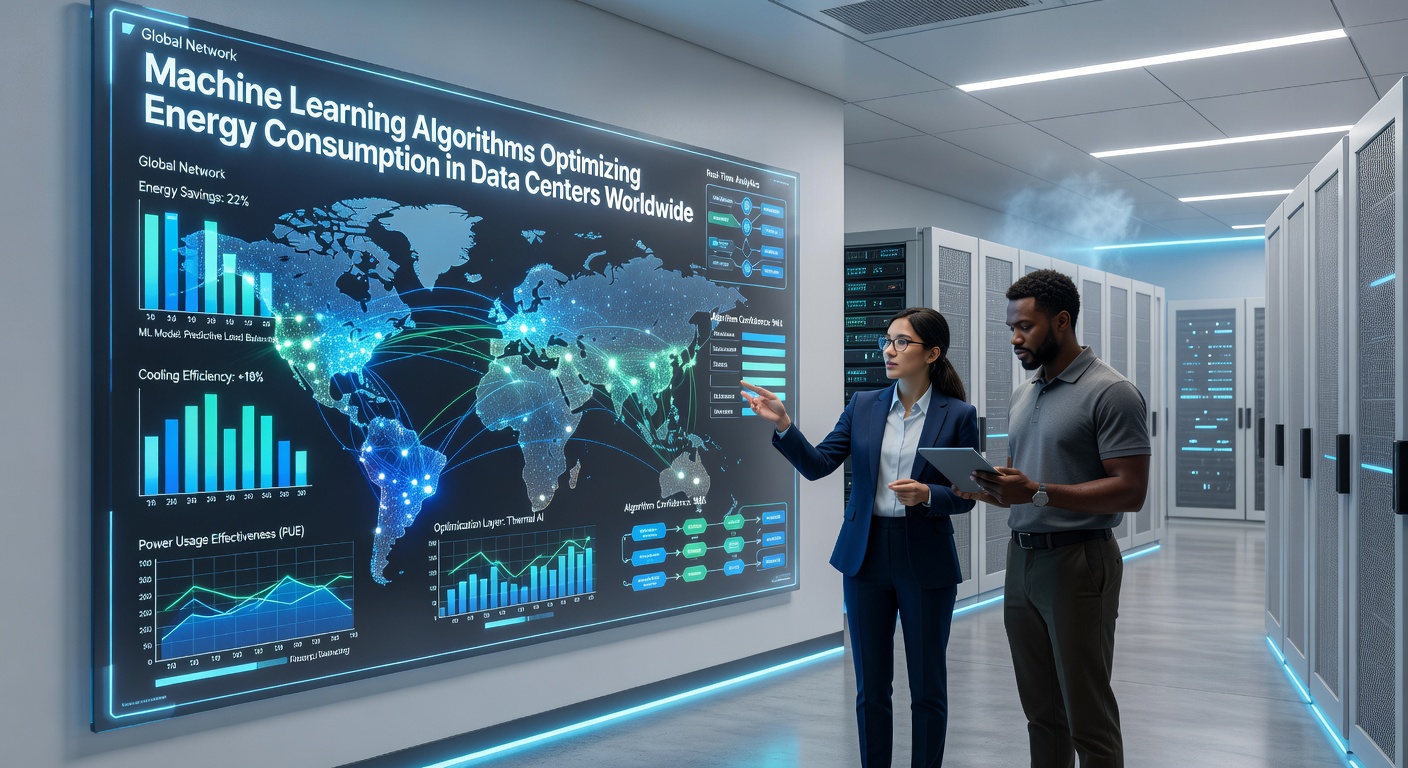
Data centers around the globe consume vast amounts of electricity to power servers and maintain optimal temperatures, and machine learning algorithms now play a central role in trimming those demands through real-time adjustments and predictive modeling. Facilities that once relied on fixed cooling schedules and manual oversight have shifted toward systems that analyze sensor data continuously, identify patterns in workload fluctuations, and recalibrate power distribution accordingly. This approach allows operators to respond to changing conditions without constant human intervention, and the results appear in lower overall consumption figures reported by major providers.
The Growing Energy Footprint of Data Infrastructure
Global data centers accounted for roughly 1 percent of worldwide electricity use in recent assessments, yet that share continues to climb as digital services expand. Cooling systems alone can represent up to 40 percent of a facility's total power draw in traditional setups, while servers and networking equipment consume the remainder. Researchers at institutions across North America and Europe have documented how even small inefficiencies compound over thousands of racks, creating opportunities for algorithmic intervention. Observers note that regions with high data traffic, such as parts of the United States and Singapore, face particular pressure to adopt smarter controls because local grids must accommodate both steady baseline loads and sudden spikes from cloud computing demands.
Core Machine Learning Methods Applied to Power Optimization
Supervised learning models trained on historical sensor readings predict future heat generation based on server utilization rates, while reinforcement learning agents test incremental changes to fan speeds and chiller output in simulated environments before applying them live. These techniques combine to form closed-loop systems that adjust variables every few seconds rather than waiting for temperature thresholds to trigger basic on-off responses. Take one operator in a Canadian facility who integrated neural networks to forecast overnight workload drops, allowing the site to pre-cool certain zones and then scale back refrigeration during low-demand periods without risking hardware overheating. Such methods reduce the frequency of full-system activations and extend equipment life through steadier operating conditions.
Predictive Cooling and Dynamic Resource Allocation
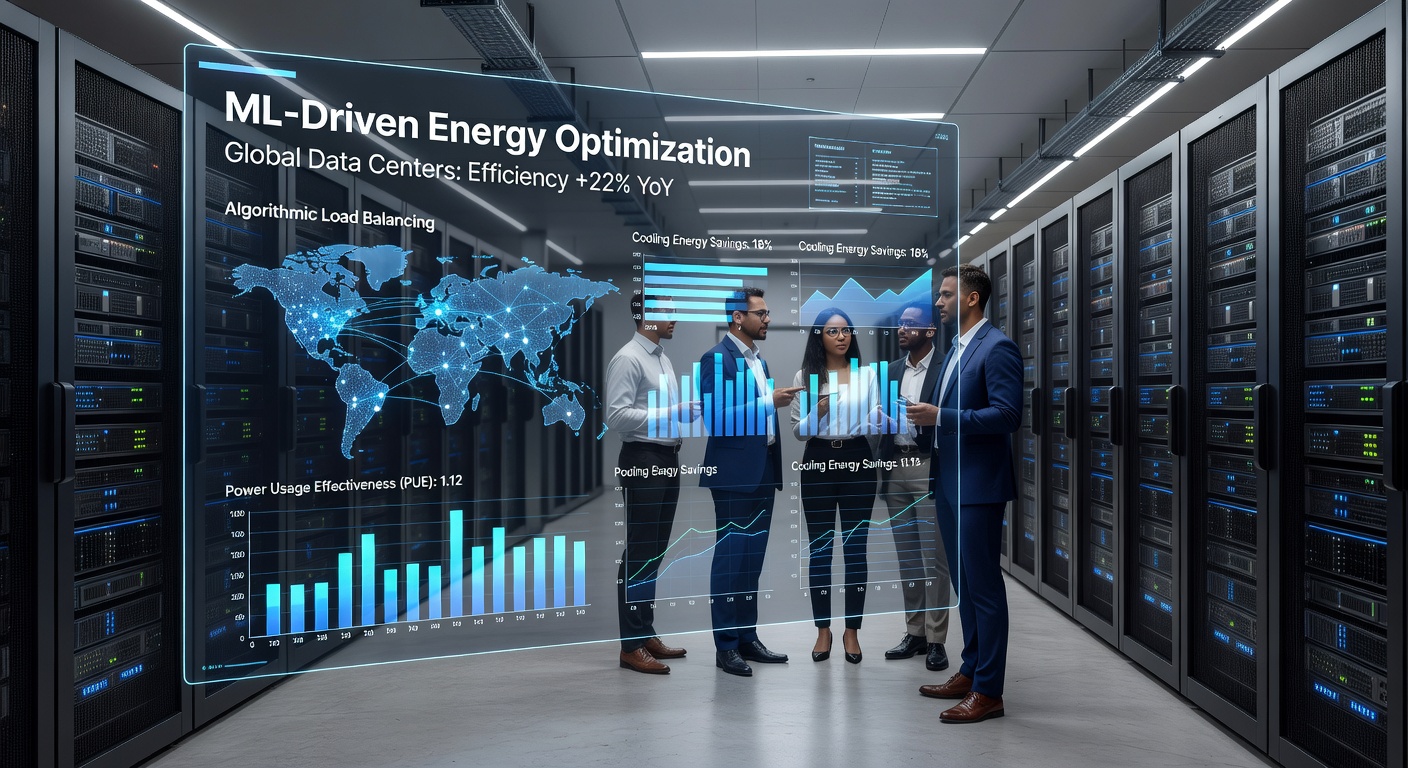
Cooling optimization stands out as one of teh earliest and most visible successes, with algorithms correlating external weather data, internal rack temperatures, and airflow patterns to minimize chiller runtime. In warmer climates like those found in parts of Australia, facilities use these models to shift cooling loads toward nighttime hours when ambient temperatures drop and electricity rates often fall. Dynamic power capping further complements these efforts by throttling non-critical processes during peak grid stress, a tactic that gained traction after grid operators in the European Union began publishing real-time demand signals. Data shows that sites employing combined predictive and reactive controls have recorded reductions in cooling energy between 20 and 30 percent compared with legacy rule-based systems, according to reports compiled by the U.S. Department of Energy.
Case Implementations Across Regions
One large provider in Northern Virginia deployed a reinforcement learning platform that continuously experiments with airflow routing inside its halls, learning which aisle configurations deliver the most efficient heat extraction for each server generation. Meanwhile, facilities in Nordic countries leverage cooler outside air more effectively by feeding meteorological forecasts into regression models that anticipate when free cooling can replace mechanical systems entirely. In Asia, operators managing hyperscale campuses have integrated edge computing nodes that run lightweight models locally, cutting latency between data collection and action. These examples illustrate how the same core techniques adapt to different climates, regulatory environments, and infrastructure ages without requiring complete hardware overhauls.
Developments Observed Through May 2026
By May 2026, several industry consortia had published aggregated benchmarks showing that machine learning-enhanced sites achieved average power usage effectiveness ratings below 1.2, a notable improvement over the 1.5 to 2.0 range common five years earlier. Government programs in both the United States and the European Union began tying tax incentives to documented algorithmic efficiency gains, prompting more mid-sized operators to adopt similar platforms. Academic studies emerging from universities in Japan and Germany further refined transfer-learning approaches, enabling models trained at one site to perform well at another with minimal retraining. The result has been faster rollout across diverse hardware fleets rather than bespoke solutions for every location.
Challenges and Integration Considerations
Despite clear benefits, integration requires careful attention to data quality because noisy sensor inputs can degrade model accuracy and lead to suboptimal decisions. Cybersecurity teams must also secure the additional data streams that feed these algorithms, since external access points increase the attack surface. Some facilities address this by keeping training processes on isolated networks while allowing inference engines to operate closer to the equipment. Observers note that smaller operators without dedicated data science teams often partner with specialized vendors, which accelerates deployment but introduces dependency on third-party updates and support cycles.
Conclusion
Machine learning continues to refine how data centers worldwide manage their energy profiles by turning raw operational data into actionable, automated decisions that scale across continents and climates. As more facilities incorporate these tools and share performance metrics through industry channels, the collective reduction in electricity demand supports both cost control and broader sustainability targets. The trajectory through 2026 and beyond points toward tighter integration between algorithmic controls and grid-level signals, allowing data centers to function as flexible loads that help stabilize power networks rather than simply adding to overall consumption.