Neural Processing Units Enhancing Mobile App Interactions Behind the Scenes
Written by Katja Albrecht · Jun 22, 2026
Neural Processing Units Enhancing Mobile App Interactions Behind the Scenes
Neural processing units have become standard components in modern smartphones, handling specialized machine learning tasks that reshape how applications respond to user input. These dedicated chips manage operations like image recognition, natural language processing, and predictive analytics directly on the device, reducing reliance on cloud servers and improving response times in everyday scenarios. Research indicates that integration of NPUs in flagship models has accelerated since 2023, with manufacturers embedding them in processors from multiple vendors.
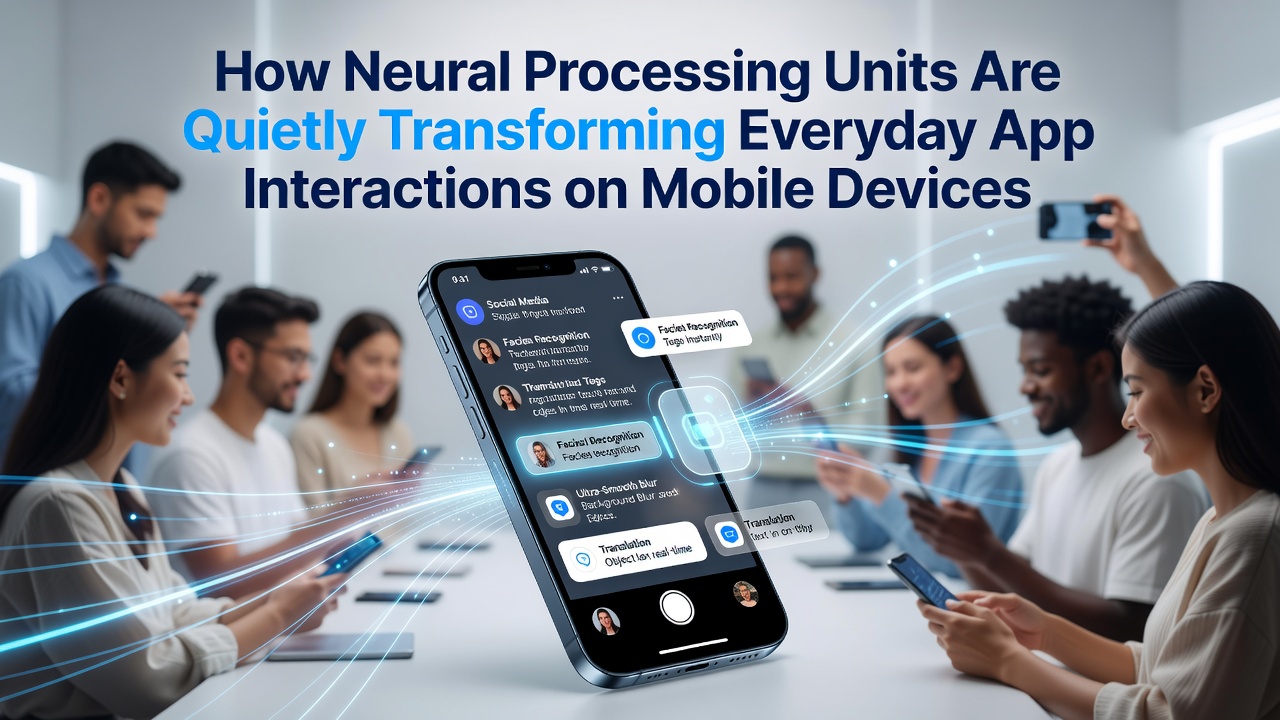
Mobile apps now leverage these units for features that previously required constant internet connections. Camera applications use on-device models to adjust lighting, detect scenes, and apply enhancements in real time, while messaging platforms employ similar capabilities for smart replies and content moderation. Data from industry analyses shows that such implementations cut latency by significant margins, allowing interactions to feel more immediate during routine use.
Core Mechanisms Behind NPU Integration
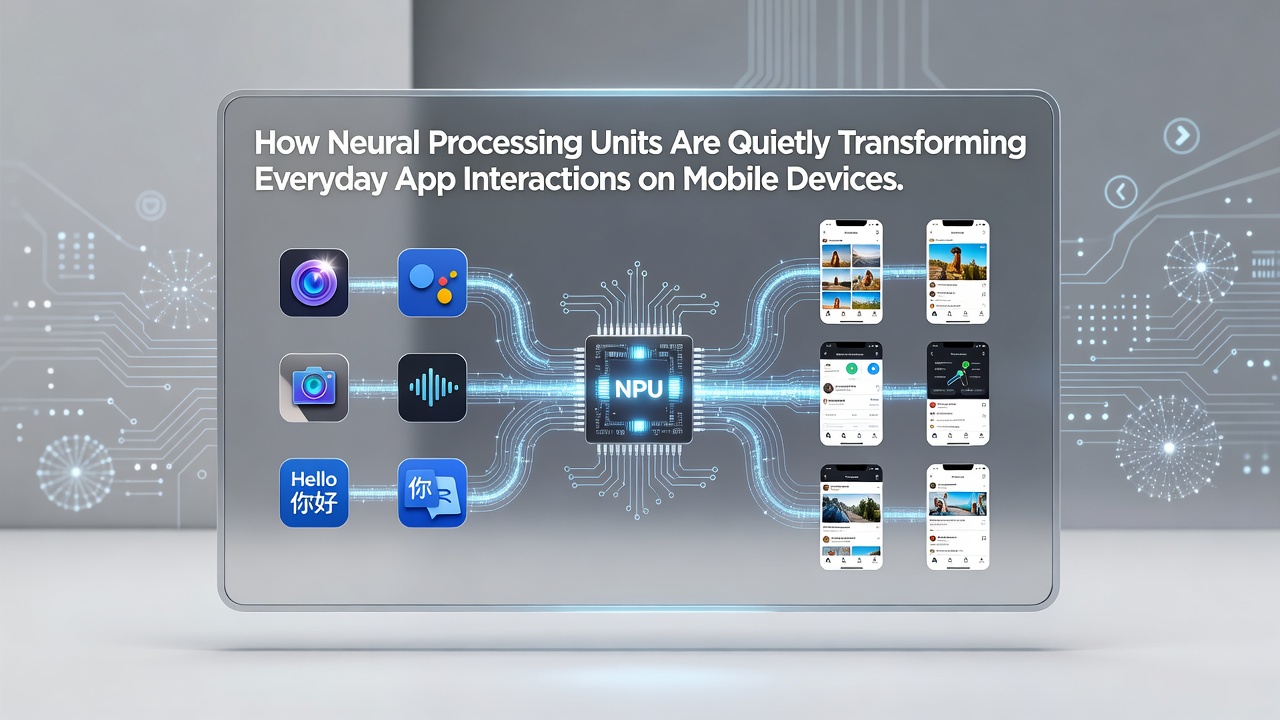
NPUs operate alongside traditional CPUs and GPUs, executing tensor operations and neural network inferences with optimized power efficiency. This architecture supports models trained for specific tasks, such as voice command interpretation or gesture detection, without draining battery resources at the same rate as general-purpose processors. Observers note that chip designers have refined these units to handle increasing model complexities, enabling apps to process larger datasets locally as of mid-2026.
Developers incorporate software frameworks that route computational workloads to the NPU when available. Applications for navigation, fitness tracking, and photo editing demonstrate this shift, where pattern recognition happens in milliseconds. Figures from hardware shipments reveal that devices equipped with advanced NPUs accounted for a growing share of premium segments by June 2026, influencing how software teams prioritize on-device AI features.
Practical Changes in Daily App Usage
Users encounter these transformations through subtle improvements rather than dramatic overhauls. Recommendation engines in streaming and shopping apps refine suggestions based on local usage patterns, adapting without transmitting raw data externally. Voice assistants embedded in productivity tools transcribe notes or summarize meetings with greater accuracy, drawing on NPU-accelerated speech models that function offline in many cases.
Augmented reality experiences in education and retail applications rely on the same hardware for object tracking and overlay rendering. Studies from academic institutions have documented reduced error rates in these interactions when NPUs manage the inference steps. Security applications also benefit, as facial recognition and anomaly detection run locally to limit exposure of biometric information.
Broader Impacts on Performance and Privacy
Local processing through NPUs contributes to better data protection by minimizing transfers to remote servers. Regulatory frameworks in regions including the European Union and Australia have highlighted this advantage in guidelines on digital privacy, encouraging developers to adopt on-device solutions where feasible. Battery endurance sees gains as well, since specialized hardware completes tasks more efficiently than software emulation on other processors.
Market reports indicate that app stores have seen increased submissions featuring NPU-optimized code, particularly in categories involving media and personalization. Compatibility layers ensure older devices without dedicated units can still access core functions, though with trade-offs in speed. Those who have examined adoption trends note steady expansion into mid-range models by 2026, broadening access to these capabilities.
Developments Through Mid-2026
Hardware updates released around June 2026 introduced NPUs with enhanced support for multimodal models, allowing simultaneous handling of text, image, and sensor inputs within single applications. Software updates from major platforms have rolled out APIs that simplify integration, leading to wider experimentation among independent developers. Evidence from performance benchmarks demonstrates consistent improvements in tasks like real-time translation and health monitoring when these units are utilized fully.
Collaboration between semiconductor firms and app creators continues to shape these advancements, with testing protocols emphasizing reliability across varied network conditions. Academic papers published in recent years have explored optimization techniques that further reduce model sizes while preserving accuracy, supporting deployment on resource-constrained devices.
Conclusion
Neural processing units continue to influence mobile app design by enabling faster, more private, and energy-conscious interactions. Their quiet integration supports a range of functions that users rely on daily, from content creation tools to assistive features. Ongoing refinements in both hardware and software point toward expanded roles for these components in future device generations, as documented in technical literature and industry data.