Neuromorphic Chip Integration Reshapes Energy Efficiency Standards in Portable Medical Diagnostic Devices
Written by Yara Washington · Aug 24, 2026
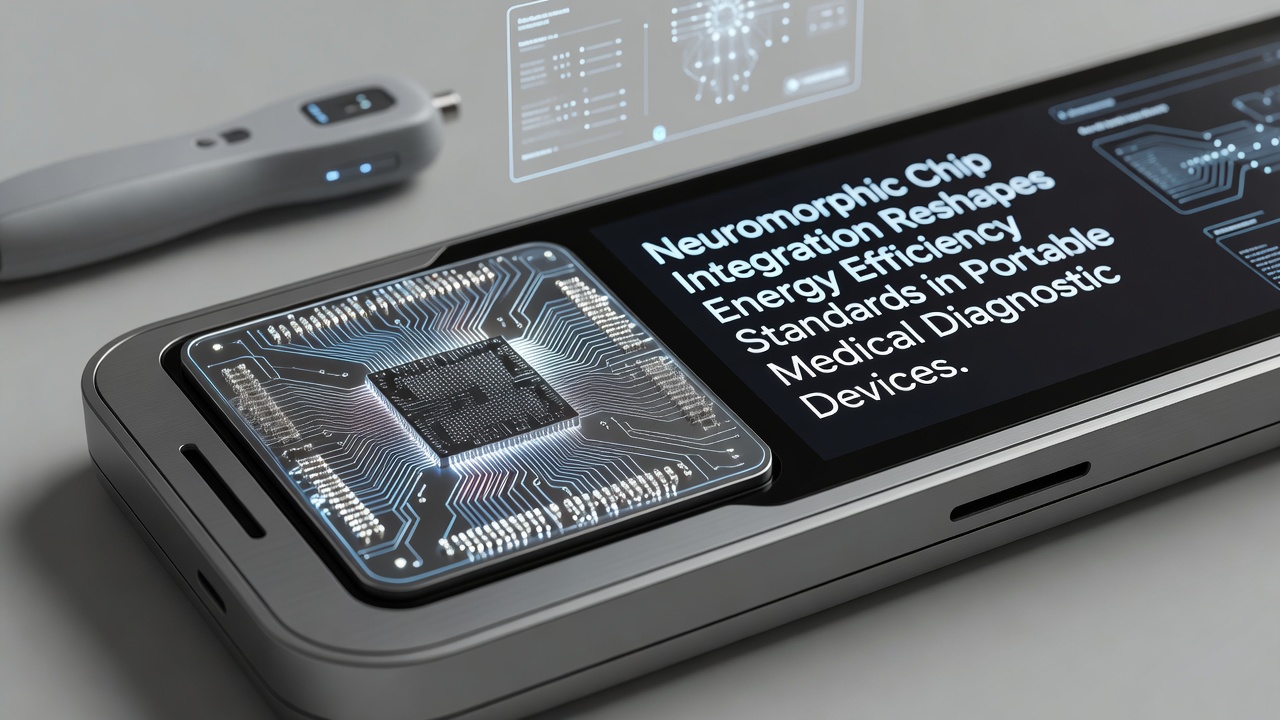
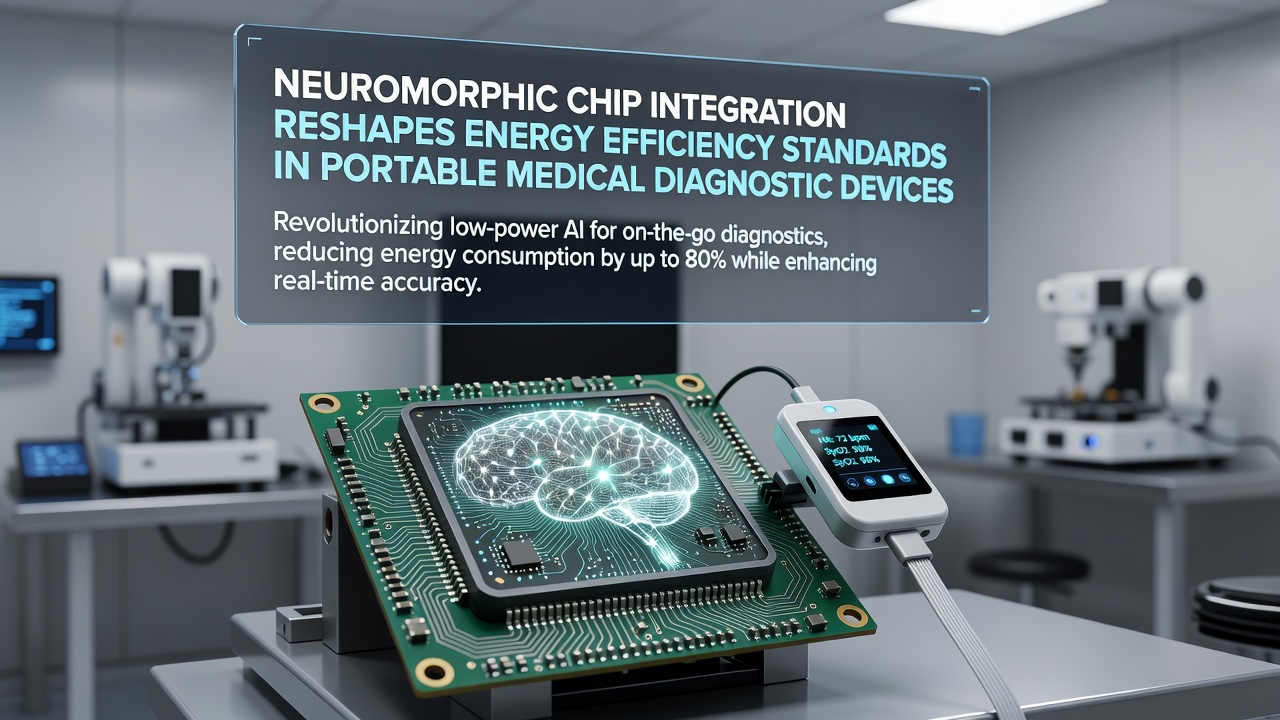
Neuromorphic Chip Integration Reshapes Energy Efficiency Standards in Portable Medical Diagnostic Devices
Neuromorphic chip integration has begun transforming how portable medical diagnostic devices manage power consumption, and this shift aligns with updated efficiency benchmarks that regulatory bodies have introduced across multiple regions. Engineers design these chips to emulate neural structures found in biological brains, which allows them to process sensor data using far less energy than traditional processors while maintaining accuracy in real-time analysis. Devices such as handheld ECG monitors, blood glucose readers, and portable ultrasound units now incorporate these architectures because they extend operational time between charges, and that extension proves critical for field use in remote clinics or during patient transport.
How Neuromorphic Architectures Operate in Diagnostic Hardware
Traditional silicon chips rely on sequential processing that drains batteries quickly when handling continuous streams from biosensors, yet neuromorphic alternatives use event-driven spikes similar to neuron firing patterns, so they activate only when data changes occur. This approach cuts idle power draw dramatically, and manufacturers report that integration leads to devices running up to three times longer on the same battery capacity. Researchers at institutions studying embedded systems have documented these gains through controlled tests on prototype units, where power metrics showed consistent reductions without compromising diagnostic output quality.
Integration requires careful calibration of spike-based algorithms to match medical signal patterns, and developers combine these chips with low-power sensors to create complete systems. In practice, a portable device monitoring vital signs can now analyze waveforms locally instead of streaming raw data to external servers, which further conserves energy by minimizing wireless transmission demands.
Updated Efficiency Standards and Regulatory Responses
Standards organizations have responded to these hardware advances by revising energy consumption thresholds for portable medical equipment, and new guidelines emphasize battery endurance alongside diagnostic reliability. In August 2026, several agencies plan to finalize updated criteria that reference neuromorphic performance data as benchmarks for approval processes. The European Medicines Agency has issued preliminary frameworks that tie device certification to measurable power savings, while Health Canada has aligned its review protocols with similar efficiency targets to support cross-border device distribution.
Manufacturers must demonstrate compliance through standardized testing protocols that measure continuous operation under varying loads, and those who meet the thresholds gain faster market entry. Data compiled from industry reports indicate that devices using neuromorphic elements already surpass older CMOS-based models by wide margins in endurance trials, which has prompted calls for broader adoption across the sector.
Practical Deployments and Performance Outcomes
One study revealed that emergency response teams equipped with neuromorphic-enabled oximeters experienced fewer interruptions during extended shifts because batteries lasted through multiple patient assessments without recharging. Another deployment in Australian rural health programs showed that portable diagnostic kits maintained full functionality across multi-day outreach visits, reducing the logistics burden of carrying spare power sources. These outcomes stem from the chips' ability to handle pattern recognition tasks at milliwatt levels, and observers note that such efficiency gains compound when devices operate in networks that share aggregated insights without constant cloud connectivity.
Supply chain adjustments have accompanied these technical changes, since neuromorphic fabrication demands specialized processes that differ from conventional semiconductor lines. Companies sourcing components from varied global suppliers have adapted by qualifying multiple production partners, and this diversification helps stabilize availability as demand rises. Training programs for biomedical technicians now include modules on optimizing neuromorphic firmware, ensuring field staff can fine-tune settings for specific diagnostic scenarios without increasing overall power budgets.
Broader Implications for Device Design and Data Handling
Design teams have shifted focus toward hybrid systems that pair neuromorphic cores with conventional microcontrollers for tasks requiring high-precision arithmetic, and this combination delivers balanced performance across diagnostic workloads. Security considerations enter the picture because local processing reduces the volume of sensitive patient data transmitted externally, which lowers exposure risks during wireless exchanges. According to findings shared by research groups affiliated with the National Institutes of Health, localized analysis on neuromorphic hardware maintains compliance with privacy regulations while trimming energy costs associated with data transfer.
Market projections based on adoption curves suggest continued expansion into additional device categories, such as wearable cardiac patches and compact lab-on-chip analyzers, as fabrication costs decline and software toolchains mature. Those who've studied supply trends know that scaling production involves addressing yield rates in novel chip layouts, yet progress in this area has accelerated through collaborative efforts between academic labs and commercial foundries.
Conclusion
Neuromorphic chip integration continues to influence energy efficiency standards by providing concrete performance data that regulators incorporate into certification requirements. Portable medical diagnostic devices benefit from extended runtime and reduced transmission loads, while manufacturers adjust designs and supply strategies to meet evolving benchmarks. As August 2026 approaches, further refinements in both hardware and policy frameworks will likely accelerate these developments across international markets.