Neuromorphic Chips Powering On-Device AI Without Cloud Reliance
Written by Iris Koch · Jun 20, 2026
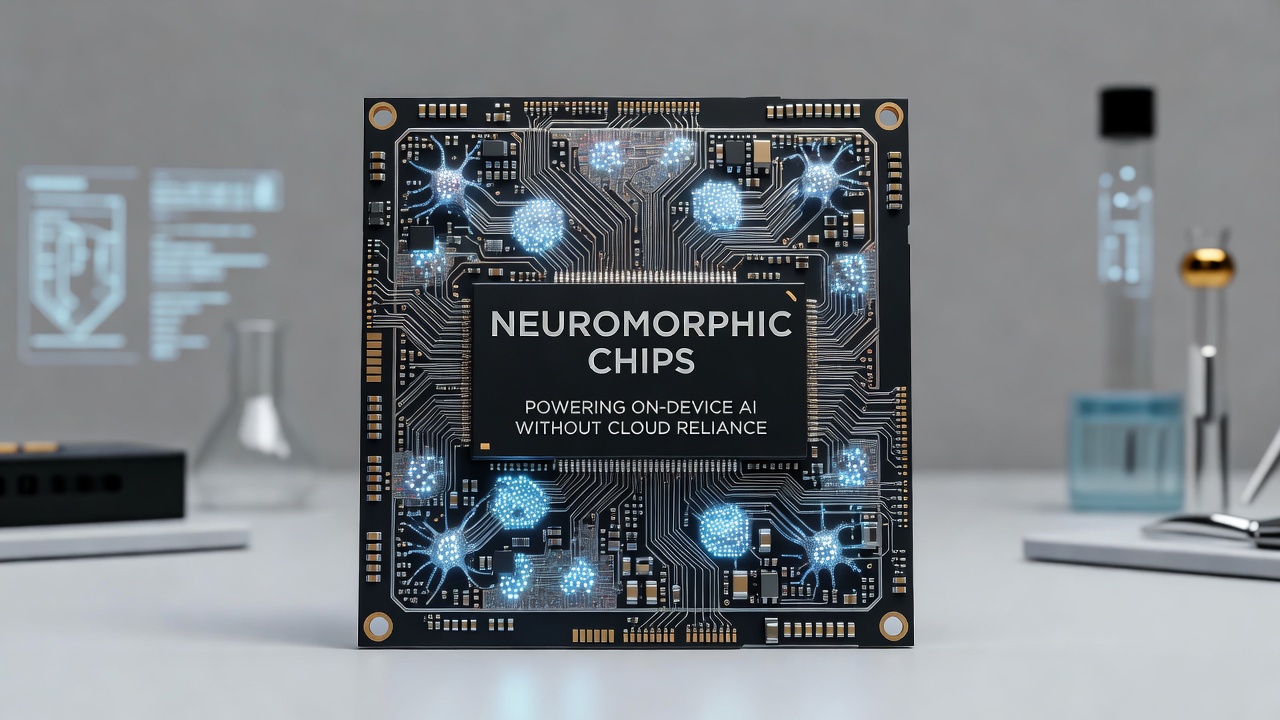
Neuromorphic Chips Powering On-Device AI Without Cloud Reliance
Neuromorphic chips replicate the brain's neural structure through specialized hardware that processes data using spiking neural networks and this approach enables artificial intelligence operations directly on devices without sending information to remote servers, researchers have documented energy reductions of up to 1000 times compared to conventional graphics processing units when handling similar inference tasks and data from multiple studies confirms these chips operate efficiently at milliwatt power levels while maintaining real-time responsiveness in constrained environments.
Core Mechanisms Behind Neuromorphic Design
Traditional processors rely on von Neumann architecture that separates memory from computation yet neuromorphic systems integrate both functions in a distributed network of artificial neurons and synapses, this integration allows event-driven processing where computations occur only when input spikes arrive rather than through constant clock cycles and observers note that such designs reduce idle power consumption dramatically while supporting parallel operations across thousands of nodes simultaneously, engineers at various firms have implemented materials like phase-change memory and memristors to emulate synaptic weights with analog precision and these components adjust resistance states based on usage patterns which enables learning capabilities directly in hardware without external training cycles.
Eliminating Dependence on Cloud Infrastructure
On-device AI powered by neuromorphic technology processes sensor data locally which keeps sensitive information within the hardware boundaries and avoids transmission delays associated with network latency, studies conducted across edge computing scenarios show response times dropping below 10 milliseconds for tasks like image recognition whereas cloud-dependent systems often exceed 100 milliseconds due to data routing, this local capability proves essential in remote locations with limited connectivity and it also addresses privacy regulations by preventing unnecessary data exposure during transfers to centralized facilities, government agencies in regions such as the European Union have highlighted these attributes in technology assessments that emphasize reduced infrastructure costs for widespread deployment.
Practical Applications Across Industries
Autonomous vehicles utilize neuromorphic chips for rapid obstacle detection through continuous video feeds where the chips filter irrelevant signals and focus computational resources on motion events, this selective attention mechanism supports safer navigation decisions without relying on cloud connectivity that could introduce vulnerabilities during critical moments, medical devices incorporate similar technology for real-time analysis of biosignals such as electrocardiograms and the low-power profile extends battery life in implantable monitors while delivering immediate alerts based on localized pattern matching, smartphone manufacturers have begun integrating these chips into flagship models to handle voice commands and camera enhancements entirely on the handset and field tests in 2025 demonstrated sustained performance across multi-hour usage periods without thermal throttling.
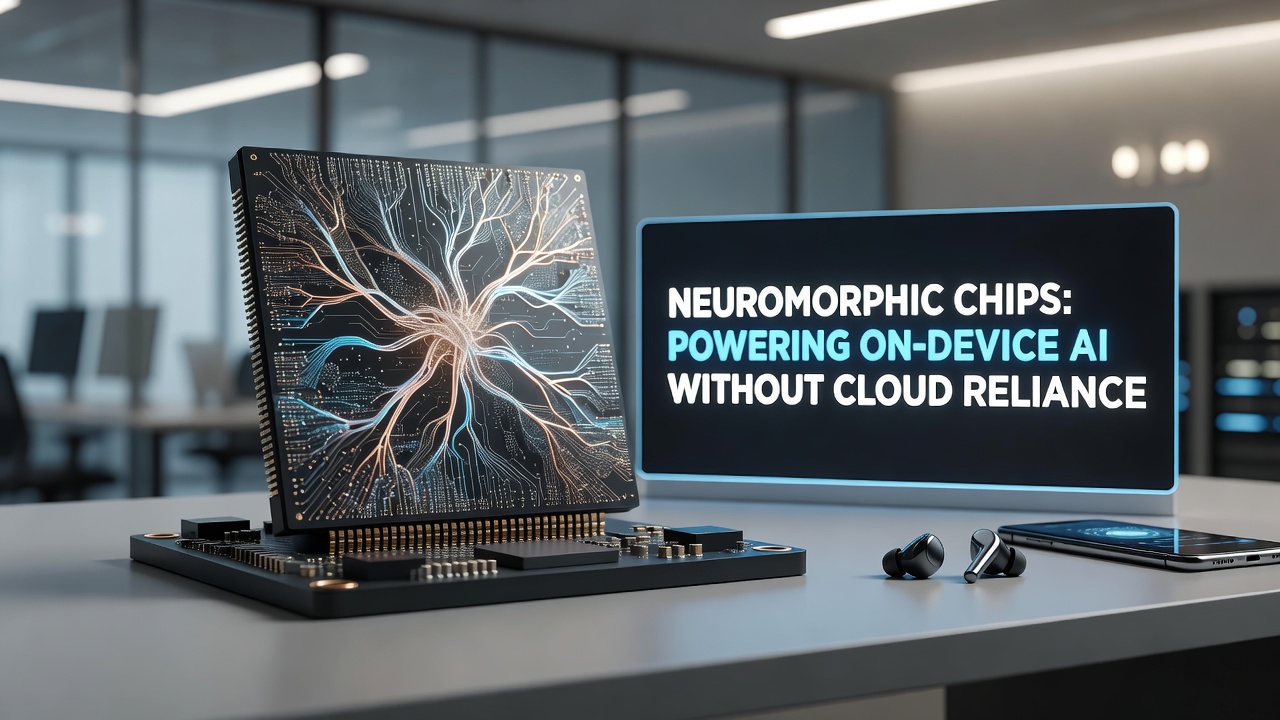
Developments Reported Through Mid-2026
In June 2026 several research consortia released benchmarks showing neuromorphic prototypes achieving 95 percent accuracy on standard machine learning datasets while consuming under 50 milliwatts during continuous operation and these figures emerged from collaborative efforts involving institutions in Canada and Australia where teams validated performance across varied environmental conditions including temperature fluctuations and electromagnetic interference, industry reports indicate that production scaling has improved yield rates for neuromorphic wafers and this progress supports broader adoption in consumer electronics as well as industrial sensors that monitor equipment health without external data pipelines, academic papers detail hybrid approaches that combine neuromorphic cores with traditional processors to handle both sparse event data and dense matrix calculations in unified systems.
Technical Challenges and Mitigation Strategies
Programming neuromorphic hardware requires specialized frameworks that differ from mainstream deep learning libraries and developers address this through conversion tools that map conventional neural networks onto spiking equivalents yet accuracy trade-offs can occur during the transformation process, material scientists continue to refine fabrication techniques for better consistency in memristive devices and current prototypes exhibit variability that affects long-term reliability under heavy workloads, regulatory bodies such as those in the United States have begun outlining standards for verifying neuromorphic system security and these guidelines focus on hardware-level encryption to protect model parameters stored directly on the chips, researchers have observed that combining error-correction codes with adaptive learning algorithms helps maintain stability over extended operational periods.
Conclusion
Neuromorphic chips represent a shift toward localized intelligence that operates independently of cloud resources and this evolution aligns with growing demands for efficient, private, and responsive artificial intelligence across diverse hardware platforms, ongoing refinements in design and manufacturing continue to expand viable use cases while addressing integration hurdles through targeted engineering solutions and data from multiple international sources supports the trajectory toward wider implementation in everyday devices by the end of the decade.