Revolutionary Techniques in Sustainable Server Farm Climate Control
Written by Ulrich Koch · Sep 4, 2026
Revolutionary Techniques in Sustainable Server Farm Climate Control
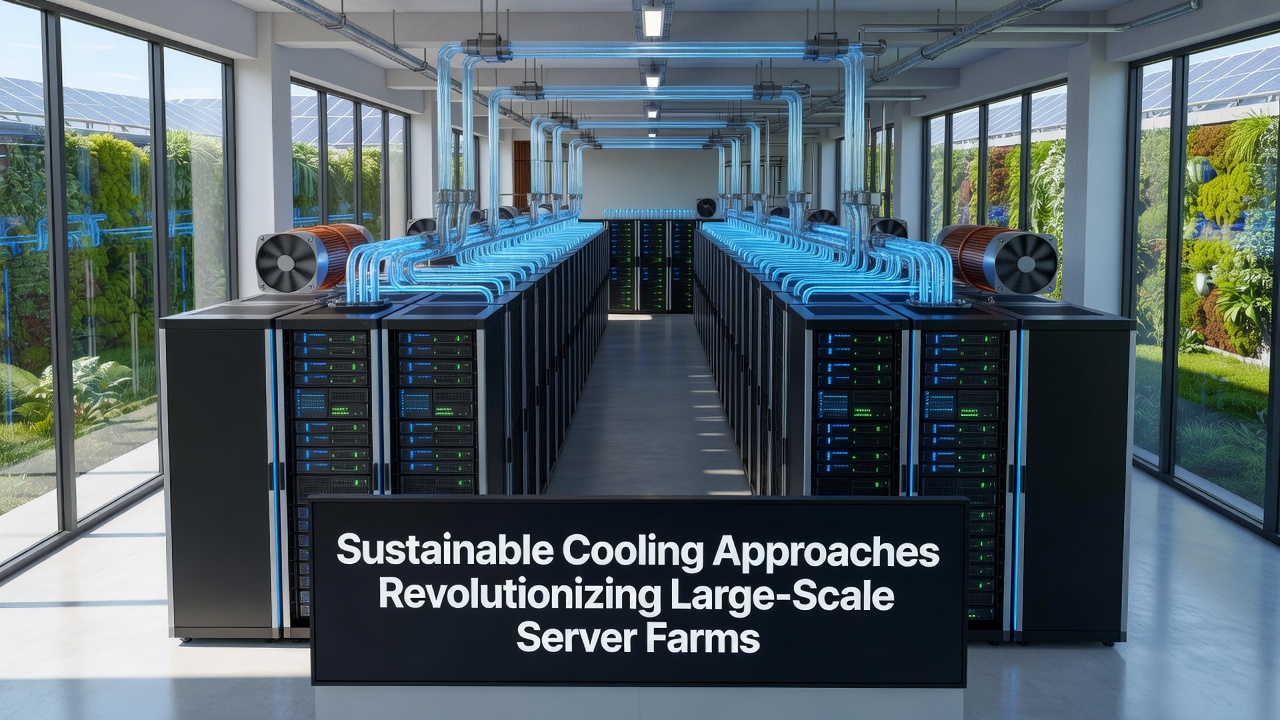
Data centers housing massive server arrays face constant pressure to manage heat loads that can reach thousands of kilowatts per facility, and traditional air conditioning methods often consume up to 40 percent of total electricity according to U.S. Department of Energy analyses, which has driven adoption of methods like immersion cooling adn free cooling systems that leverage natural resources to cut energy demands significantly while preserving equipment reliability across global networks.
The Scale of Energy Demands in Modern Computing Facilities
Server farms operate continuously with processors generating intense thermal output, and studies from research institutions show that inefficient cooling contributes heavily to carbon emissions in the tech sector, prompting operators to integrate hybrid systems that combine evaporative cooling with advanced heat recovery mechanisms to recycle waste energy for district heating projects in nearby communities, particularly in regions with colder climates where outdoor air can be filtered and circulated directly through server racks during much of the year.
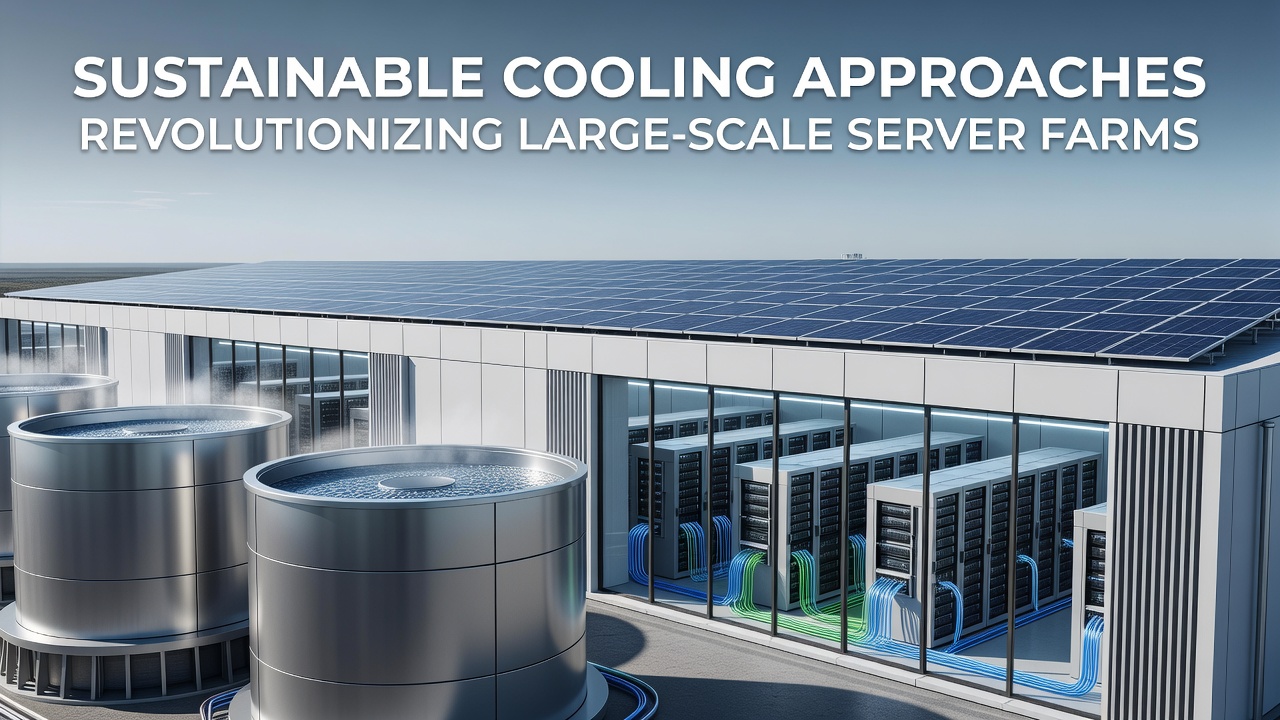
Figures from industry reports indicate that global data center electricity consumption exceeded 200 terawatt-hours annually by the mid-2020s, and this growth trajectory has accelerated interest in approaches such as two-phase immersion cooling where servers are submerged in non-conductive fluids that boil at low temperatures to absorb heat efficiently before the vapor condenses and returns to the system in a closed loop, reducing water usage by up to 90 percent compared to older evaporative towers in some documented installations.
Emerging Liquid-Based and Immersion Technologies
Liquid cooling variants have gained traction because they transfer heat more effectively than air due to higher thermal conductivity of fluids, and engineers have observed that direct-to-chip liquid systems using cold plates attached to processors can maintain temperatures below 60 degrees Celsius even under peak loads, while also allowing higher server densities that pack more computing power into smaller footprints without proportional increases in cooling infrastructure.
One study revealed that facilities adopting these techniques saw operational cost reductions of 20 to 30 percent over five years, and researchers discovered additional benefits in noise reduction since pumps replace loud fans, creating quieter environments that benefit maintenance staff and nearby residential areas where data centers are sometimes located.
Integration of Artificial Intelligence for Optimization
Artificial intelligence algorithms now monitor temperature gradients in real time across server halls, and they adjust cooling parameters dynamically to match fluctuating workloads, which according to European Commission energy efficiency guidelines can yield additional savings of 10 to 15 percent by predicting demand spikes hours in advance and pre-cooling specific zones rather than running entire systems at full capacity continuously.
What's interesting is how these smart controls integrate with weather data feeds to maximize free cooling periods, and observers note that facilities in temperate zones like parts of Canada and northern Europe achieve over 80 percent of annual cooling needs without mechanical refrigeration during favorable months, cutting reliance on refrigerants that contribute to greenhouse effects when leaked.
Policy Developments and Industry Standards by September 2026
By September 2026 regulatory frameworks in multiple jurisdictions had tightened requirements for power usage effectiveness ratios below 1.2 for new large-scale builds, and this shift encouraged widespread testing of geothermal-assisted cooling loops that draw stable underground temperatures to precondition air or fluids before they reach servers, a technique that demonstrates particular promise in areas with suitable geology for borehole installations.
Trade organizations have compiled case studies showing successful deployments where waste heat from servers warms greenhouses or supports industrial processes, turning a traditional liability into a resource and illustrating the potential for circular economy models within the digital infrastructure sector.
Conclusion
Sustainable cooling strategies continue to evolve through combinations of hardware innovations, software intelligence, and policy incentives, and data from ongoing monitoring programs show measurable declines in energy intensity per computational unit as these methods scale, which supports broader efforts to align expanding digital services with environmental targets across international borders.