Swarm-Based Algorithms from Insect Studies Enhance Energy Efficiency in Processor Upgrades
Written by Quinn Lange · Jun 29, 2026
Swarm-Based Algorithms from Insect Studies Enhance Energy Efficiency in Processor Upgrades
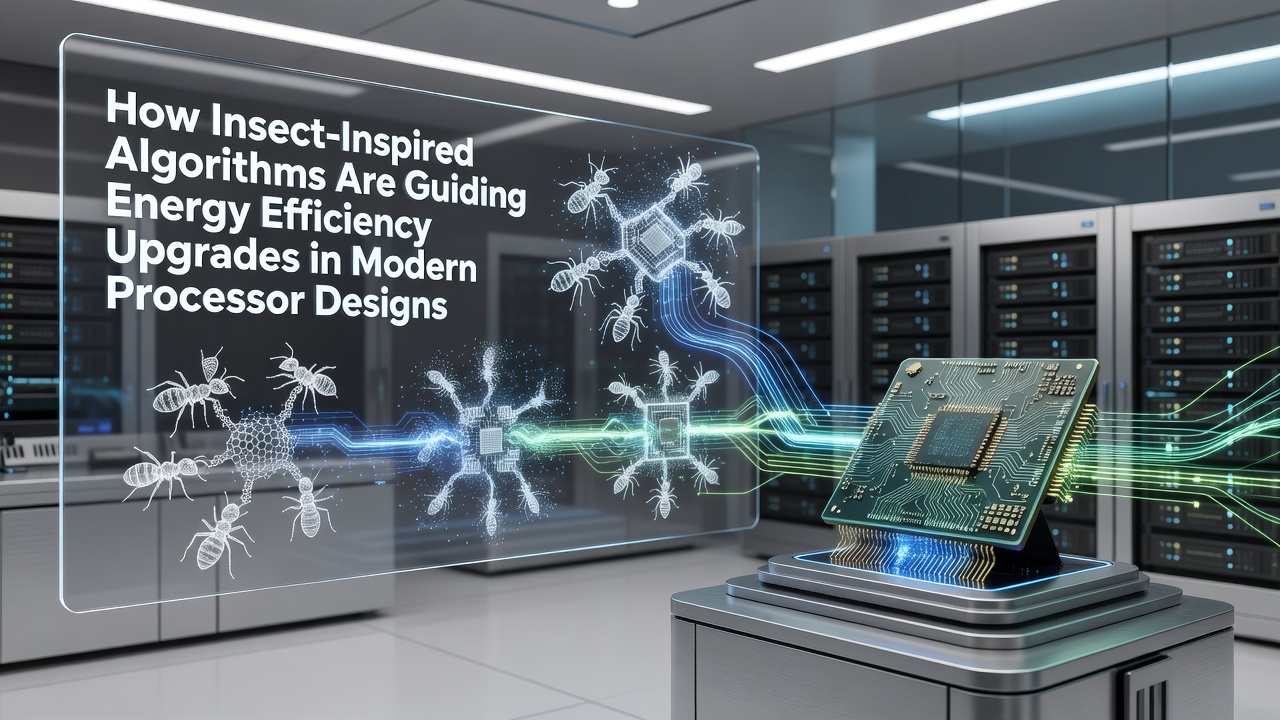
Researchers have drawn from insect behaviors such as ant foraging paths and bee hive coordination to develop optimization techniques that address power consumption challenges in modern processors, and these methods focus on dynamic resource allocation across multi-core architectures while maintaining performance levels during intensive computational workloads. Data from semiconductor design firms shows that traditional static power management often leads to excess energy use during variable loads, whereas insect-derived algorithms adjust voltage and frequency in real time based on observed patterns similar to colony resource gathering.
Core Mechanisms Behind Insect Algorithms in Chip Design
Ant colony optimization models pheromone trails to identify efficient routes, and processor engineers apply this principle to map data pathways between cores so that idle units receive reduced power without disrupting active threads. Bee algorithm variants simulate scout and forager roles to prioritize high-demand tasks, which results in balanced thermal distribution across dies and lowers cooling requirements in data center environments. Studies from academic institutions indicate that these approaches reduce overall energy draw by reallocating cycles away from underutilized sections, and integration occurs through firmware updates that monitor workload metrics continuously.
Implementation Examples in Current Hardware
One fabrication process incorporates termite mound ventilation logic to guide heat dissipation channels in stacked chip designs, while another uses locust swarm synchronization for parallel thread execution that minimizes clock cycle waste. According to reports from the U.S. Department of Energy, such adaptations appear in server-grade processors released after 2024, where power gating sequences follow probabilistic models derived from insect population dynamics rather than fixed thresholds. European research groups have documented similar deployments in mobile SoCs that extend battery durations during mixed-use scenarios, and the algorithms update via machine learning feedback loops that refine parameters based on runtime telemetry.
Performance Metrics and Industry Adoption Trends
Figures released by processor manufacturers reveal average reductions in idle power states reaching 18 percent when insect-inspired schedulers replace conventional round-robin methods, and these gains compound in large-scale deployments because collective decision-making scales across hundreds of cores without centralized bottlenecks. Observers note that adoption accelerated after initial trials in 2025 demonstrated stable operation under sustained loads, whereas earlier heuristic systems required frequent manual tuning. The approach aligns with regulatory targets set by bodies in multiple regions, including efficiency standards from Australian government energy programs that emphasize adaptive controls over rigid caps.
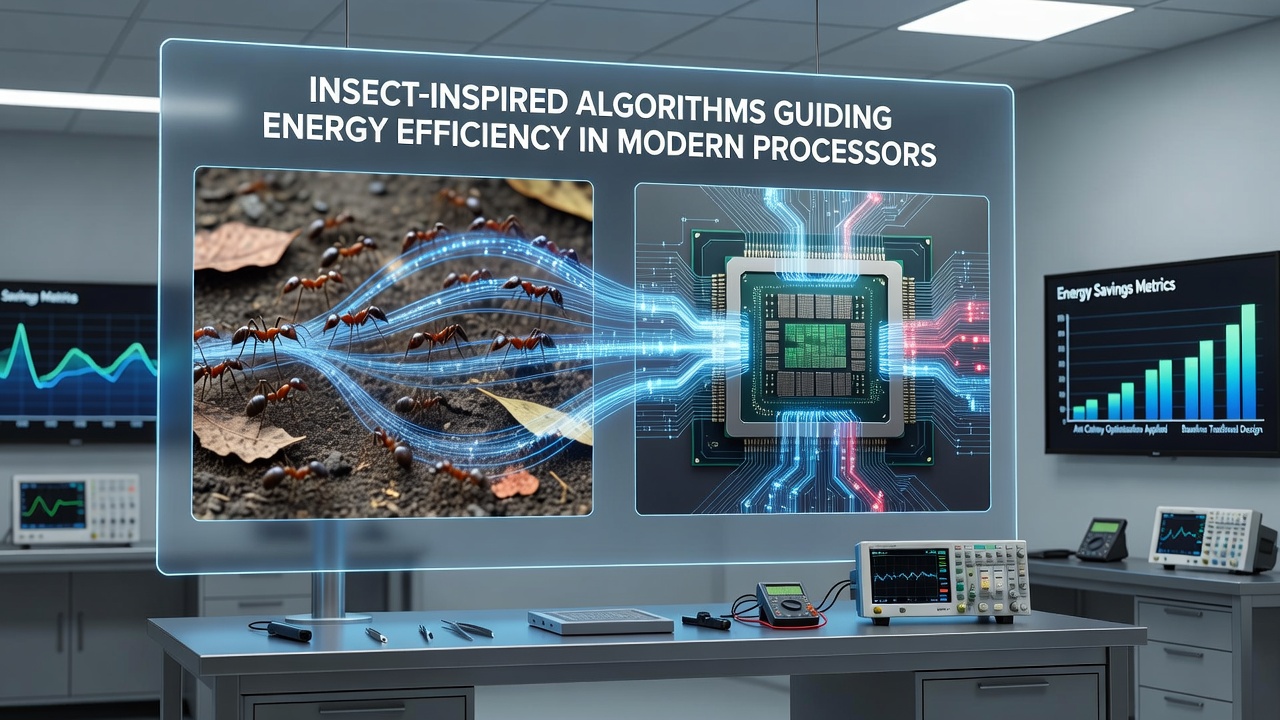
What's interesting is how these models handle edge cases such as sudden spikes in AI inference demands, where the system mimics rapid recruitment in ant colonies to activate additional cores only as needed instead of keeping reserves powered continuously. Research indicates that thermal throttling events decrease because predictive allocation prevents localized hotspots, and this stability supports longer component lifespans in embedded applications like automotive controllers. As of June 2026 several foundries have incorporated these techniques into next-node processes, with verification data showing compliance across varied fabrication geometries.
Challenges and Refinement Processes
Initial implementations encountered convergence delays during highly irregular workloads, yet iterative adjustments based on real-world telemetry have shortened response times to under one millisecond in recent versions. Engineers combine multiple insect paradigms, such as merging ant path selection with wasp nest building rules, to create hybrid systems that adapt to both compute-intensive and memory-bound operations. Data from industry consortia shows continued investment in simulation environments that test these algorithms against synthetic traffic patterns before silicon validation, and the process avoids over-optimization that could introduce latency penalties.
Future Directions in Algorithm Integration
Developments point toward tighter coupling with emerging memory technologies where insect models guide data placement to minimize transfer energy, and preliminary tests at research facilities demonstrate further gains when paired with quantum-inspired heuristics. Those who have examined the field note that geographic diversity in testing, from North American labs to Asian fabrication sites, ensures robustness across environmental conditions and supply chain variations. The European Research Council has funded projects exploring scalability limits, while parallel efforts in Canadian institutions focus on security implications of decentralized control structures.
Conclusion
Insect-inspired algorithms continue to shape energy efficiency upgrades by providing proven optimization frameworks that translate biological efficiencies into silicon constraints, and ongoing refinements ensure compatibility with evolving processor topologies. Evidence from deployed systems confirms measurable reductions in power consumption without compromising throughput, which supports broader industry movement toward sustainable computing infrastructures. Continued collaboration between biologists, computer scientists, and hardware designers promises additional refinements as workloads grow more complex in coming cycles.