The Progression of Biometric Authentication Across Smartphone Generations and Routine Integration
Written by Katja Albrecht · Jun 4, 2026
The Progression of Biometric Authentication Across Smartphone Generations and Routine Integration
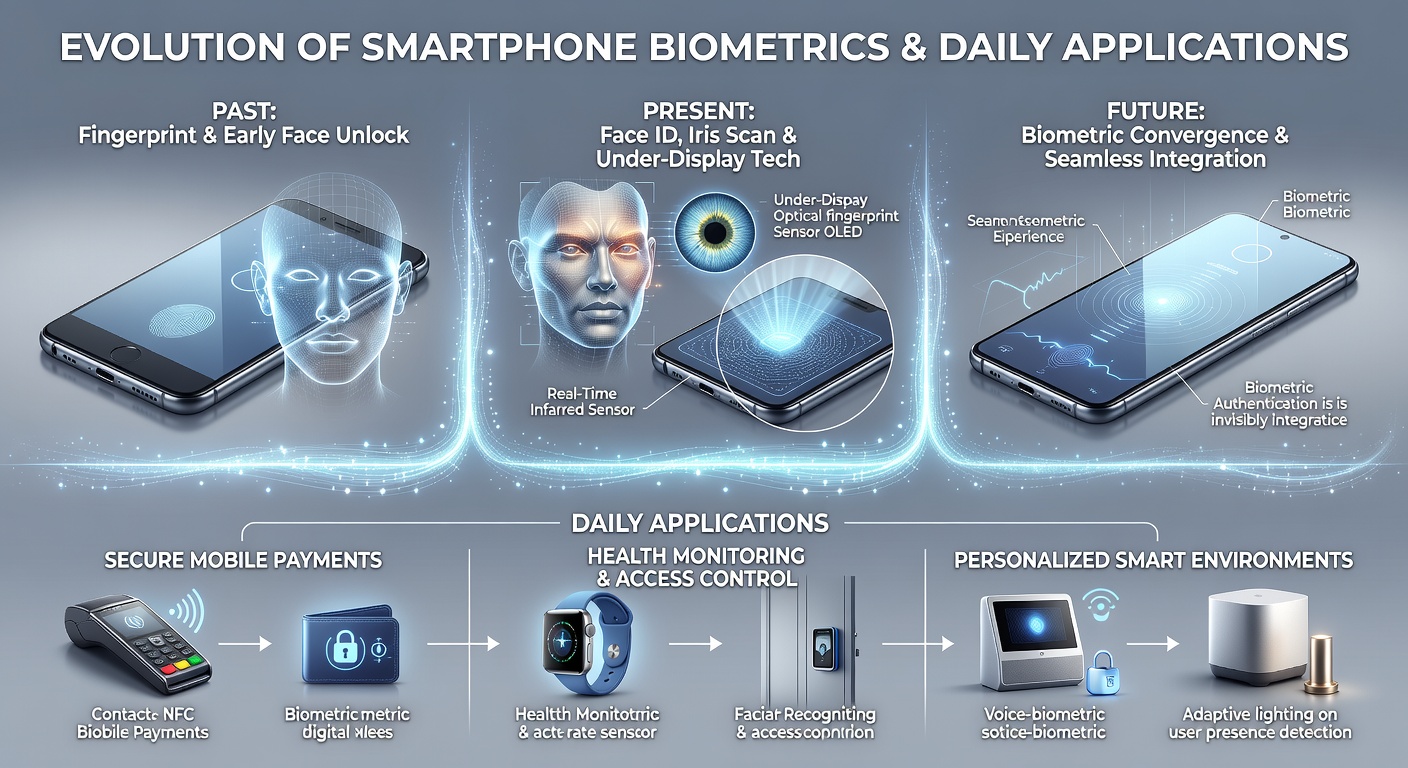
Smartphone biometrics began with basic fingerprint sensors introduced in the early 2000s on devices like the Motorola Atrix, and they expanded rapidly after Apple incorporated Touch ID in 2013. Manufacturers shifted focus from simple password methods to physiological traits because these offered faster access while maintaining security layers, and data from industry reports indicate adoption rates climbed above 80 percent on flagship models by 2020. Researchers at institutions such as those affiliated with the National Institute of Standards and Technology tracked accuracy improvements in fingerprint matching algorithms, which reduced false positives through capacitive and ultrasonic technologies that map subdermal ridges.
Early Milestones in Sensor Development
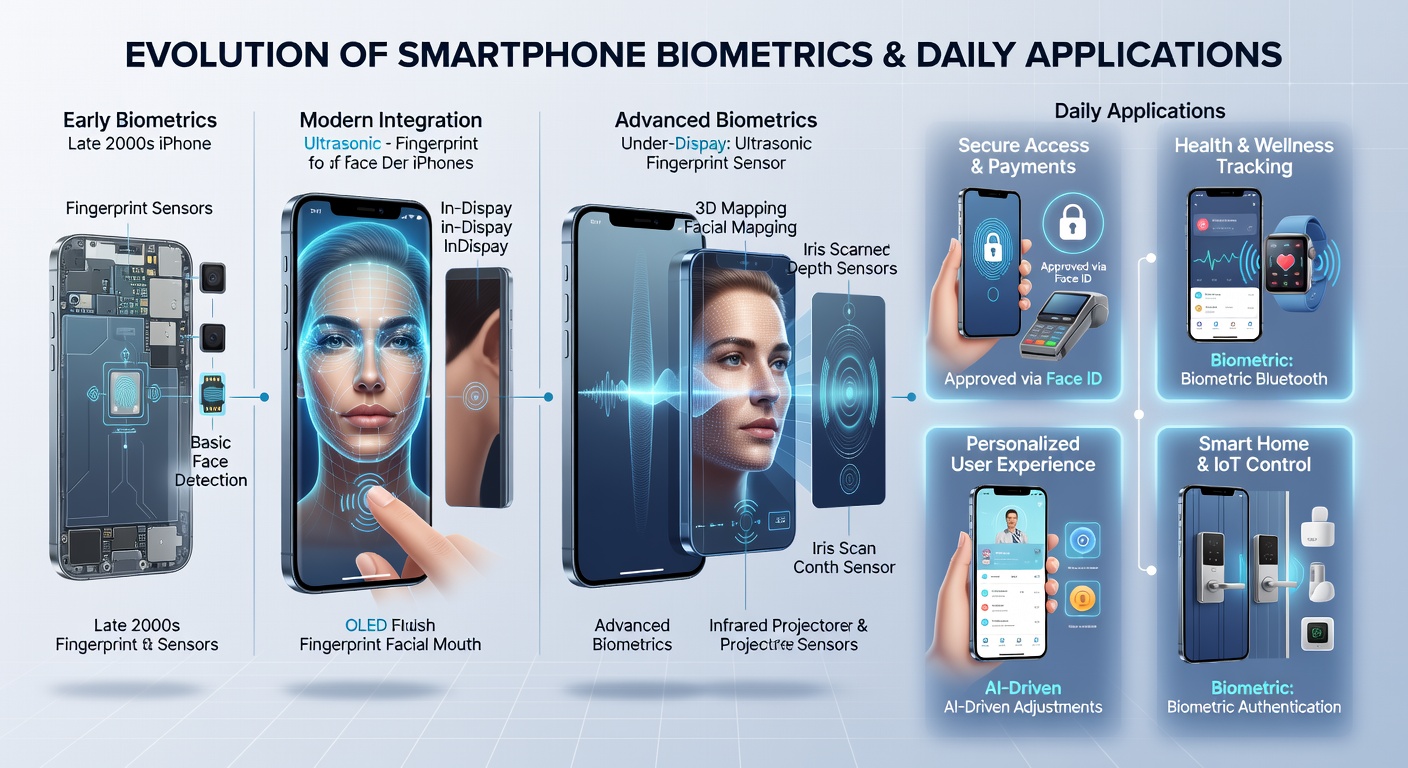
Initial implementations relied on optical scanners that captured 2D images, yet these proved vulnerable to spoofing attempts using printed replicas. Engineers responded by integrating capacitive arrays that detect electrical conductivity differences in skin, and ultrasonic variants emerged later to create 3D maps resistant to surface-level fakes. Observers note that by 2017 major brands had standardized rear-mounted sensors before relocating them to side buttons or displays for seamless interaction. Voice recognition systems also entered the mix around this period, drawing on spectral analysis of vocal patterns to authenticate users during calls or commands, though background noise often required supplementary verification steps.
Transition to Facial and Multi-Modal Systems
Facial recognition gained prominence with infrared dot projectors and depth-sensing cameras that function in low light, allowing authentication even when users wear masks or glasses. Systems like these process thousands of reference points to generate mathematical templates stored locally on secure enclaves rather than cloud servers. Studies from European research networks highlight how multi-modal approaches combine face data with iris scanning or gait analysis collected through accelerometers, creating layered defenses that adapt to context such as location or time of day. In June 2026 projections from hardware suppliers point toward under-display cameras achieving parity with dedicated modules while preserving full screen real estate.
Daily Applications in Payments and Access
Biometric prompts now authorize mobile banking transfers and contactless purchases at terminals worldwide, replacing PIN entries in many regions. Payment networks report transaction volumes processed via fingerprint or face verification exceeding billions monthly, with processing times averaging under two seconds according to aggregated terminal logs. Building entry systems in offices and transit hubs integrate smartphone biometrics through near-field communication, granting access without physical cards once users register their templates during onboarding. Health apps leverage continuous heart rate variability from optical sensors to confirm identity during fitness tracking sessions, ensuring data privacy compliance under frameworks like those established by Canadian privacy regulators.
Observers point out that these integrations reduce friction in workflows, yet they also prompt ongoing refinements in template encryption to counter emerging side-channel attacks. Government agencies in Australia have issued guidelines encouraging developers to implement revocable biometric tokens, allowing users to reset identifiers if a device is compromised without altering underlying physiological traits.
Security Enhancements and Standardization Efforts
Encryption protocols wrap biometric data in hardware-backed keys that never leave the device, and liveness detection algorithms analyze micro-movements or blood flow to distinguish real users from photographs or masks. Industry consortia have published interoperability standards that let applications across ecosystems verify templates without exposing raw images. Academic papers from university labs document error rate reductions to below 0.1 percent in controlled environments, though real-world variables like aging skin or injuries necessitate periodic re-enrollment. Those who manage enterprise fleets often deploy centralized policy tools that enforce biometric strength levels based on risk assessments for different data sensitivities.
Emerging Uses in Health Monitoring and Beyond
Wearable pairings extend biometric reach by syncing smartphone templates with smartwatch sensors for continuous authentication during workouts or sleep tracking. Researchers discovered correlations between biometric confidence scores and anomaly detection in vital signs, flagging potential unauthorized access during medical data reviews. Retail environments experiment with biometric loyalty programs where face or palm patterns replace loyalty cards at checkout, streamlining experiences while complying with consent requirements. Data indicates higher engagement rates when systems allow fallback options like PINs for cases involving injuries or environmental interference.
Conclusion
The trajectory shows biometric methods maturing from niche features into foundational elements of smartphone interaction, supported by iterative hardware advances and regulatory frameworks that prioritize user control. Continued refinement in multi-factor combinations promises broader reliability across diverse populations and conditions, with adoption patterns reflecting both technological capability and societal acceptance of physiological verification in everyday contexts.