Tracing Neural Accelerators Reshaping Everyday Device Performance in Consumer Markets
Written by Yara Washington · Jul 11, 2026
Tracing Neural Accelerators Reshaping Everyday Device Performance in Consumer Markets
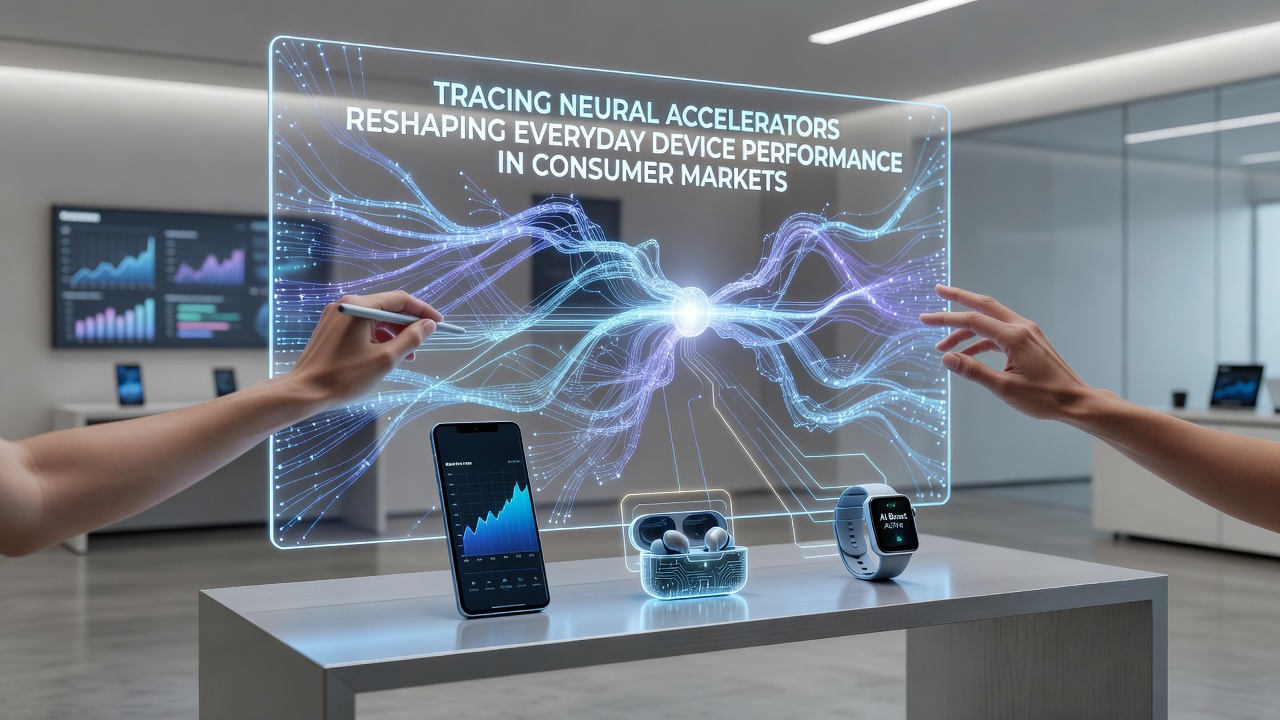
Neural accelerators, often embedded as dedicated processing units within consumer electronics, handle specialized computations for artificial intelligence tasks while traditional CPUs and GPUs manage general operations, and this division allows devices to execute machine learning models with greater efficiency and lower power consumption. Manufacturers have integrated these components into smartphones, tablets, laptops, and smart home systems since the mid-2010s, yet adoption accelerated notably after 2020 when on-device AI features became standard selling points.
Core Functions and Design Principles
These accelerators optimize matrix multiplications and tensor operations central to neural network inference, which means they process data locally rather than relying on cloud servers, and the approach reduces latency while addressing privacy concerns associated with data transmission. Engineers design them using architectures such as systolic arrays or tensor cores that prioritize parallel computations, whereas general-purpose processors spread resources across varied workloads. Research indicates that power efficiency gains reach multiples of ten compared with CPU execution alone according to benchmarks published by hardware developers.
Deployment Across Mobile Platforms
Smartphone makers incorporated neural processing units into flagship models by 2017, and by July 2026 global shipments of devices with dedicated AI silicon exceeded 1.2 billion units annually based on figures from industry tracking organizations. These units support functions including real-time image enhancement, voice recognition without internet connectivity, and predictive text that adapts to individual usage patterns, while battery life extends because the accelerators complete tasks faster and return to idle states sooner. Observers note that mid-range phones now include similar hardware, which broadens access beyond premium segments.
Expansion into Computing and Wearable Devices
Laptop manufacturers followed the mobile trend by embedding neural accelerators in both Windows and macOS platforms, enabling features such as live captioning during video calls and automatic photo organization that runs entirely on the device. Data from academic studies at institutions in the European Union shows these additions cut energy use during AI workloads by up to 40 percent compared with earlier generations that lacked dedicated silicon. Wearables including smartwatches and fitness trackers adopted compact versions of the technology to monitor health metrics continuously, and the same efficiency principles apply at smaller scales where thermal constraints limit performance.
Market Growth and Supply Chain Developments
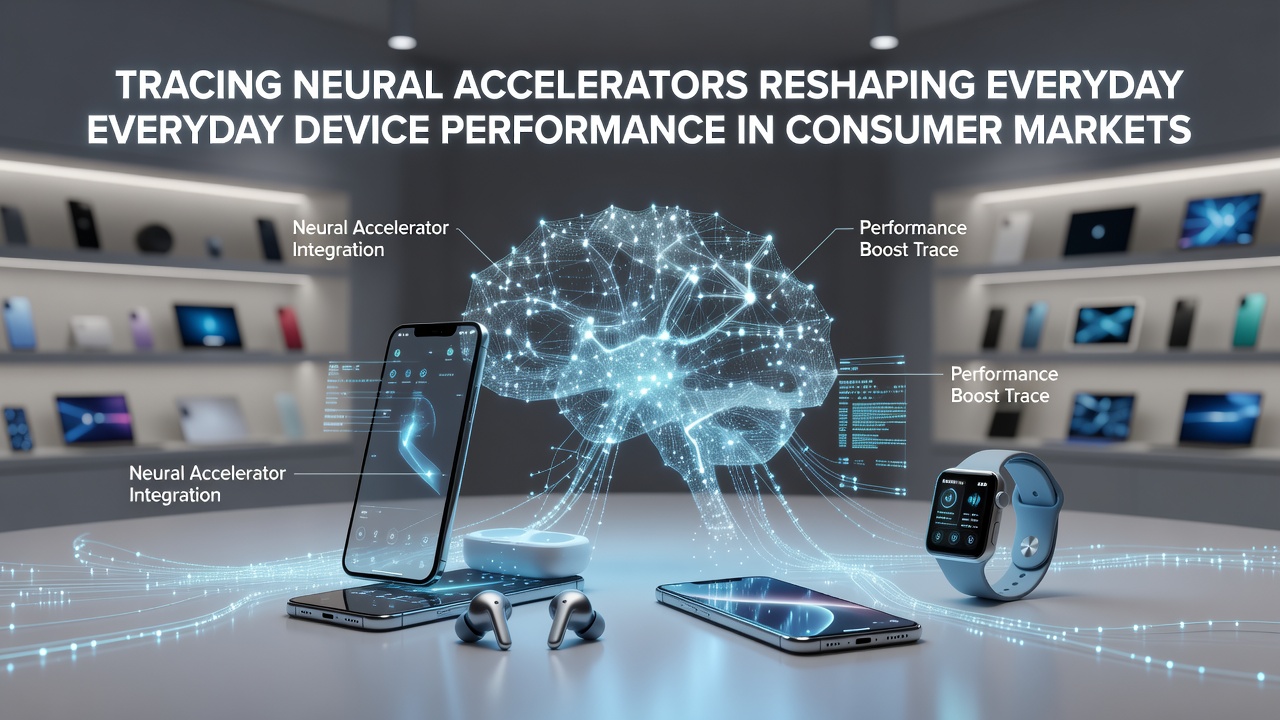
Market reports reveal that the consumer segment for neural accelerators grew at a compound annual rate above 25 percent between 2022 and 2026, driven by demand for generative AI capabilities that operate offline. Supply chains diversified after initial concentration among a few foundries, with production facilities in multiple regions contributing to volume increases, and component costs declined as fabrication processes moved to advanced nodes below 5 nanometers. Trade data compiled by government agencies in North America and Asia-Pacific regions confirms rising export volumes of chips containing these accelerators, which underscores their integration into everyday products.
Technical Challenges and Mitigation Strategies
Developers face constraints related to memory bandwidth and thermal management when scaling accelerator performance, yet they address these through co-design of hardware and software frameworks that optimize model compression techniques such as quantization and pruning. Industry organizations report that standardized interfaces now allow developers to deploy models across different accelerator types without extensive rewrites, and this interoperability accelerates software ecosystem growth. Figures from research institutions indicate that model accuracy remains comparable to cloud-based inference when proper optimization pipelines are followed.
Integration With Emerging Consumer Applications
Automotive infotainment systems and augmented reality headsets represent newer frontiers where neural accelerators enable real-time object detection and spatial mapping, while gaming consoles use them for upscaling and frame generation that improves visual quality without increasing hardware demands. Regulatory bodies in Australia and Canada have begun evaluating guidelines for AI transparency in consumer devices, which may influence how manufacturers disclose accelerator capabilities in product specifications. Those who study adoption patterns observe that software updates frequently unlock additional features on existing hardware, extending device lifespans.
Conclusion
Neural accelerators continue to expand their presence across consumer electronics by delivering specialized performance that complements general processors, and this trend shapes expectations for on-device intelligence in products released after July 2026. Continued refinement of fabrication techniques alongside software tools supports broader deployment while maintaining energy and cost targets set by manufacturers. Market participants monitor supply dynamics and regulatory developments to anticipate how these components will further influence device capabilities in daily use.